

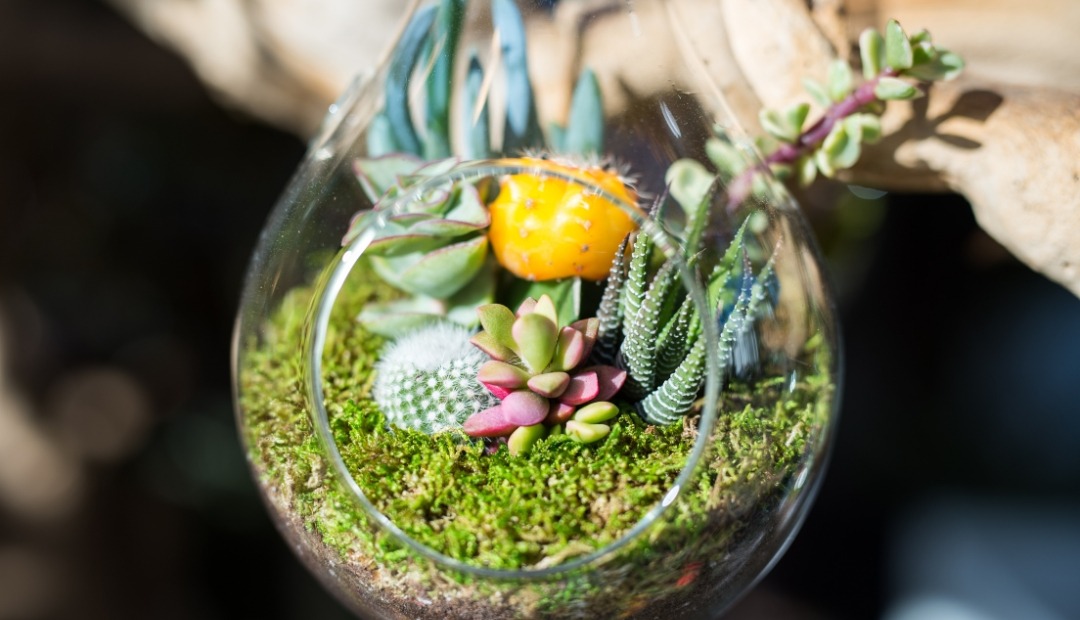
Embracing a love for nature isn't always easy, especially when residing in a bustling area like Union City, GA. Surrounded by urban infrastructure, we often find ourselves seeking glimpses of greenery and serenity. For those living in a vibrant community like Netherley Park, bringing nature into your home can offer a refreshing change. One delightful way to achieve this is by crafting your very own terrarium, a miniature ecosystem that can thrive right in your living space.
Within the unique environment of Netherley Park, nestled in the heart of Union City, crafting a terrarium allows you to bridge the gap between your apartment life and the outdoors. These captivating glass gardens consist of small plants and their miniature habitats, offering a touch of natural vegetation to brighten any room.
If you're eager to incorporate a "garden under glass" as a beautiful addition to your spacious apartment, follow these detailed steps and let your inner gardener shine.
Select the Ideal Glass Container
Is there a spot in your Netherley Park apartment where a spare glass jar or fishbowl could be utilized? Transparency is key; any glass container with a wide opening and no drainage holes can become a terrarium. While specialty containers are found at garden stores, using available resources can be just as effective without breaking the bank.
Plant containers with narrow openings, such as bottles, may pose challenges when building and maintaining your terrarium so opting for something wider can result in a more vibrant and enduring display.
Choose Your Plant Varieties
The type of plants you pick not only sets the tone for your terrarium's aesthetic but also determines the elements needed to create a thriving environment within the glass walls. For those living in apartments around Union City, local plants thriving in similar climates might be preferable.
Check out nearby nurseries or scour outdoor spaces for mosses and humidity-loving plants that can flourish indoors. Common choices include air plants, cacti, and rooted varieties.
- Air plants: Known scientifically as Tillandsia, these low-maintenance species absorb water directly from the air, making them perfectly suited for humid, enclosed settings.
- Cacti and succulents: Though disliked by excessive moisture, they can adapt to suitable terrarium conditions when given a shallow, open container.
- Rooted plants: Options like ferns, peperomia, and carnivorous varieties thrive in humid environments and require less maintenance than other plant types.
Prepare Drainage and Soil Barrier
Terrariums are constructed without drainage holes. Therefore, establishing a suitable drainage system becomes crucial to prevent root rot and maintain healthy plant life. Start by combining three parts gravel and one part activated charcoal and lightly moistening the mixture.
Pour the gravel first into the container, followed by the damp activated charcoal. To avoid any substrate falling into the drainage layer, use non-compostable material like plastic mesh as a soil barrier, allowing water flow while keeping your plant medium intact.
Introduce Nutrient-Rich Substrate
The substrate or growing medium functions as the plant foundation and should mimic the species' natural conditions. If housing air plants, consider positioning them on driftwood or other anchors for support.
Cacti may benefit from specialized cactus mixes, comprising volcanic rocks, clay pebbles, perlite, or sand for optimal drainage. Alternatively, for humidity-loving rooted plants, a balanced blend of sand, potting soil, peat moss, and perlite can offer a nourishing environment.
Arrange Your Plants
After preparing your substrate, the next step involves planting your chosen greenery in its new glass domicile. Adding a moss layer atop the soil is a naturalistic touch, reducing splash during watering and enhancing the terrarium's visual appeal.
Begin with larger flora, inserting smaller plants thereafter. Personalize with decorative rocks and miniatures, then situate your terrarium in a spot receiving indirect sunlight, ensuring your creation will thrive in its new home.
Crafting a terrarium can be an engaging activity for those enjoying the vibrant lifestyle offered by the apartments at Netherley Park. A carefully selected array of plants and materials, combined with following proper care instructions, will yield a beautiful and thriving garden within your home. So gather your supplies, engage your creativity, and find joy as your miniature ecosystem prospers.
How Can Residents at Netherley Park Integrate Nature Indoors?
Residents at Netherley Park, situated in Union City, GA, can bring nature into their apartments by crafting unique terrariums. These miniature ecosystems are a beautiful and simple way to incorporate greenery and natural beauty into everyday living spaces. With the convenient location and community amenities at Netherley Park, it becomes even easier to source the necessary materials from nearby Union City spots, combining nature and urban living seamlessly.